Pothos care: how to keep your plant healthy
Short answer
Give pothos bright, indirect light (it copes with low light, but variegated types fade), let the soil dry between waterings, and grow it in an airy, well-draining mix. Keep it at about 60–85 °F, feed it every other month in spring and summer, and keep it away from pets and children: it's toxic if eaten.[1, 2, 3]
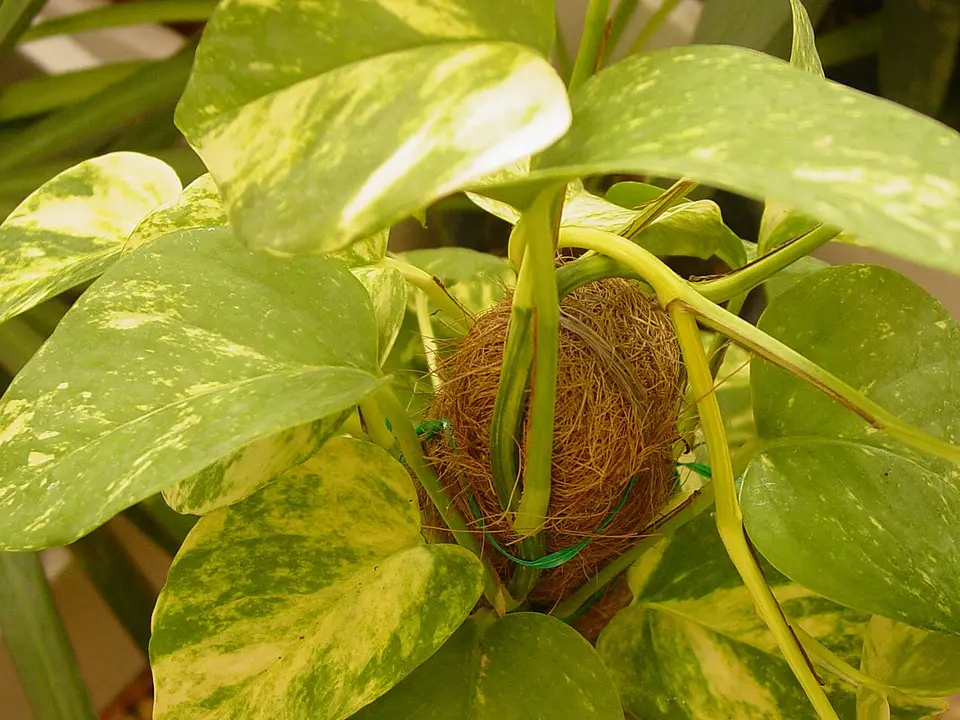
Pothos care at a glance
| Light | Bright, indirect light; tolerates low light |
|---|---|
| Watering | Water once the soil has dried |
| Soil and pots | Airy, well-draining potting mix |
| Humidity | Normal home humidity is fine; 50–70% is ideal |
| Temperature | About 60–70 °F at night, 70–85 °F by day |
| Feeding | Every other month in spring and summer |
| Repotting | Every year or two, when root-bound |
| Pruning | Trim long vines to keep it full |
| Propagation | Stem cuttings with a node, in water or soil |
| Trailing or climbing | Trails from a basket or climbs a moss pole |
| Pets | Yes: toxic to cats, dogs and people if eaten |
Light
- Bright, indirect or filtered light suits it best. [1, 2]
- It tolerates lower light, but variegated types lose some of their color there. [1, 2]
- Keep it out of strong direct sun: it doesn't tolerate much. [2]
- 'Marble Queen' needs more light than most varieties; 'Jade' does well in low light. [1, 2]
Watering
- Let the soil dry before you water again, then water thoroughly so it reaches all of the roots. [1, 2]
- Overwatering, or soil that drains poorly, is the usual cause of root rot. [1, 2]
- Both too much and too little water can blacken leaf tips and edges. [2]
Soil and pots
- Use an airy, well-draining, well-aerated potting mix. [1, 2]
- Soil that stays wet because it drains poorly leads to root rot. [1]
Humidity
- It prefers 50–70% humidity but tolerates the 30–60% found in most homes. A humidifier helps in dry rooms. [1]
- Very dry air can scorch leaf edges and tips. [1]
Temperature
- Aim for about 60–70 °F at night and 70–85 °F during the day. [1]
- Keep it away from heating and air-conditioning vents and cold windowsills: hot or cold air dries out the leaves. [1]
- Cold, drafts or a sudden drop in temperature can cause scattered brown patches on the leaves. [2]
- Outdoors it survives year-round only in USDA zones 10–12. [2]
Feeding
- Feed with a houseplant fertilizer every other month while it's growing in spring and summer; skip winter. [1, 2]
- Too much fertilizer builds up salts in the soil, which can blacken leaf edges. [2]
Repotting
- Repot every year or two, depending on how fast it grows. [1]
- It's time when roots show through the drainage holes or the plant is crowded and root-bound. [1]
Pruning
- Cut back long vines to keep them a manageable length and encourage new growth. [2]
- An overgrown plant can be cut back to about 2 inches above the soil. [2]
- Older leaves yellow and drop naturally, so long vines end up bare near the pot. Pruning fixes that. [2]
Propagation
- Root stem cuttings in water or soil. Each cutting needs at least one node (the bump where a leaf joins the stem). [1]
- In warm conditions, cuttings root in about 3–4 weeks. [2]
- For a fuller plant, pot several rooted cuttings together. [2]
- It can also be propagated by air-layering. [2]
Trailing or climbing
- In nature pothos climbs tree trunks; indoors you can copy that with a moss pole or a wooden stake. [1, 2]
- It also grows well trailing from a hanging basket, with regular pruning. [1, 2]
- Indoor leaves stay a few inches long. Only mature, climbing plants grow the large leaves with holes. [1, 2]
Is pothos toxic to pets?
- All parts contain insoluble calcium oxalate crystals. [1, 2, 3]
- In cats and dogs, chewing it causes intense burning and irritation of the mouth, drooling, vomiting and difficulty swallowing. [3]
- In people it is mildly toxic if eaten, irritating the mouth and throat, and the sap can irritate skin. [1, 2]
- Keep it out of reach of children and pets. If a pet eats some, call your vet or the ASPCA Animal Poison Control Center, (888) 426-4435. [1, 3]
Compare with other plants in our pet-safe houseplant checker.
Pothos varieties
| Variety | What it looks like |
|---|---|
| Golden | Large, wide leaves with yellow streaks. [1, 2] |
| Marble Queen | Pointed leaves heavily streaked with white or cream. Needs more light. [1, 2] |
| Neon | Bright lime-green leaves, slimmer than most. Grows quickly. [1, 2] |
| Jade | Solid dark green leaves. Does well in low light. [2] |
| Pearls and Jade | Smaller, teardrop-shaped leaves with white and silvery-gray streaks. Grows slowly. [1, 2] |
| Snow Queen | Mostly white leaves speckled with green. [1] |
| Manjula | Broad, upright leaves with pointed tips. Grows slowly and vines less. [1] |
Common pothos problems
| What you see | Usual cause |
|---|---|
| Yellow leaves | Most often overwatering; also low fertility. One or two old leaves yellowing is normal. [1, 2] |
| Root rot | Overwatering or soil that drains poorly. [1, 2] |
| Scorched leaves, dry brown tips | Very dry air or too much light. [1] |
| Blackened leaf edges | Overwatering, underwatering or too much fertilizer. [2] |
| Scattered brown patches | Cold, drafts or a sudden temperature change. [2] |
| Pests | Usually pest-free indoors, but can get mealybugs, scale and spider mites. [1, 2] |
Not sure what's wrong? Use the plant doctor to match what you see to a cause.
Questions people ask
Is pothos toxic to cats and dogs?
Yes. Its calcium oxalate crystals cause intense mouth irritation, drooling, vomiting and trouble swallowing in cats and dogs. Keep it out of reach, and call your vet or the ASPCA Animal Poison Control Center if a pet eats some. [3]
How often should I water pothos?
Only when the soil has dried, then water thoroughly so it reaches all of the roots. Check the soil with your finger rather than watering on a fixed day. [1, 2]
Can pothos grow in low light?
Yes, it tolerates low light, but variegated types lose some of their color. 'Jade', with solid green leaves, copes best. [1, 2]
How do I make my pothos fuller?
Cut back long vines to encourage new growth, and pot several rooted cuttings together in the same pot. [2]
How do I propagate pothos?
Take stem cuttings with at least one node and root them in water or soil. In warm conditions they root in about 3–4 weeks. [1, 2]
Sources
Facts on this page were checked against these sources on November 6, 2026. The wording is our own.
- How to Grow Pothos Indoors (Epipremnum spp.): Care, Cultivars, and Common Problems (HGIC 1568). Clemson Cooperative Extension, Home & Garden Information Center. Published Jan 30, 2026.
- Pothos, Epipremnum aureum. University of Wisconsin–Madison Division of Extension, Wisconsin Horticulture. Revised 2025.
- Toxic and Non-Toxic Plants: Golden Pothos. ASPCA Animal Poison Control Center.
Spotted a mistake? Report an error and we'll check it against the sources and update the page.