Aloe vera plant care: light, watering and pups
Short answer
Give aloe vera bright light, or its leaves droop instead of standing upright. Let the soil dry out completely between waterings to prevent root rot, and water even less in winter. Grow it in a well-drained mix in a pot with a drainage hole, keep it above 50 °F, and feed at most once a year. It’s toxic to cats, dogs and horses.[1, 2, 3, 4]
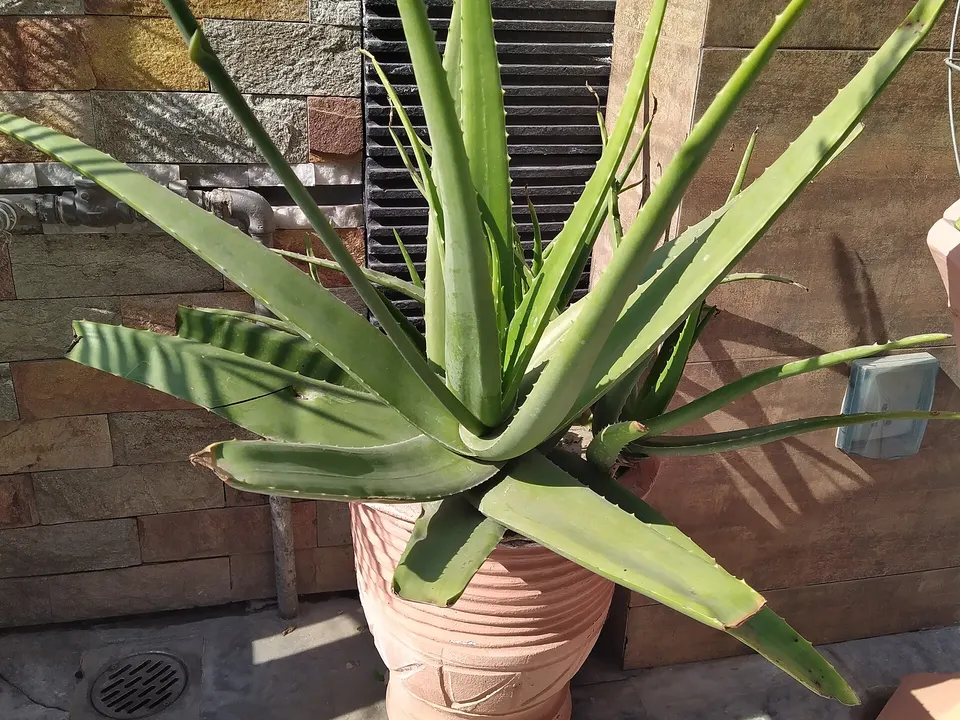
Aloe vera care at a glance
| Light | Bright light, or the leaves droop |
|---|---|
| Watering | Only once the soil is completely dry |
| Soil and pots | Well-drained, gritty mix; pot with a drainage hole |
| Temperature | Protect from long spells below 50 °F |
| Feeding | Once a year at most |
| Pups and propagation | Separate and pot up the pups |
| Repotting | Move up a size, or divide, as it grows |
| Flowers | More likely with abundant light |
| Pets | Yes: toxic to cats, dogs and horses |
Light
- Aloe needs bright, indirect light; with too little, the leaves droop instead of standing upright. [1]
- Aloes in general grow best with at least several hours of bright light a day. [2]
Watering
- Let the soil dry out completely between waterings to prevent root rot. [1, 2]
- Illinois Extension’s rule of thumb for indoor succulents, including aloe vera, is about every two to three weeks, and much less in winter, when they rest. [3]
- Never let the roots stay wet; aloes are best kept on the dry side, especially in winter. [2]
Soil and pots
- Grow it in a well-drained potting mix, in a pot with a drainage hole. [2]
- A gritty mix with plenty of coarse sand, perlite or pumice suits succulents. [3]
- Clay and terracotta pots let the soil dry out faster. [3]
Temperature
- Most aloes are very sensitive to cold: protect them from long spells below 50 °F, and from frost. [2]
Feeding
- Most succulents, including aloe vera, don’t need regular feeding; once a year in late spring or summer is enough. [3]
Pups and propagation
- Aloe makes offsets, or pups, around its base. Cut or pull them from the mother plant and pot them up. [1, 2]
Repotting
- As aloes grow they need moving into larger pots, or dividing. [2]
Flowers
- Aloes are more likely to bloom if they get plenty of light all year. [2]
Is aloe vera toxic to pets?
- The ASPCA lists aloe vera as toxic to dogs, cats and horses. The toxic compounds are saponins and anthraquinones. [4]
- Signs include vomiting (not in horses), lethargy and diarrhea. [4]
Compare with other plants in our pet-safe houseplant checker.
Common aloe vera problems
| What you see | Usual cause |
|---|---|
| Drooping leaves | Not enough light. [1] |
| Root rot | Soil kept too wet; let it dry out completely between waterings. [1, 2] |
| Dry lower leaves | Normal on succulents; you can remove them. [3] |
| Pests | Rarely a problem, but scale and mealybugs can appear. [3] |
Not sure what's wrong? Use the plant doctor to match what you see to a cause.
Questions people ask
How often should I water aloe vera?
Only once the soil has dried out completely; for indoor succulents like aloe that’s often every two to three weeks, and much less in winter. [1, 3]
Is aloe vera toxic to dogs and cats?
Yes. The ASPCA lists it as toxic to dogs, cats and horses; it can cause vomiting, lethargy and diarrhea. [4]
Why is my aloe plant drooping?
Usually it isn’t getting enough light. Move it somewhere brighter. [1]
How do I repot aloe vera pups?
Cut or pull the pups from the mother plant and plant them in their own small pots of well-drained mix. [1, 2]
What soil does aloe vera need?
A well-drained, gritty mix with coarse sand, perlite or pumice, in a pot with a drainage hole. [2, 3]
Sources
Facts on this page were checked against these sources on November 6, 2026. The wording is our own.
- Houseplants to grow on your kitchen counter (aloe vera section). University of Illinois Extension, Flowers, Fruits, and Frass. Feb 26, 2024.
- Small Aloes – Interesting, Colorful, and Easy Succulents. University of Wisconsin–Madison Division of Extension, Wisconsin Horticulture. Revised Jun 2026.
- Did you forget to water your plants? Try low-maintenance succulents. University of Illinois Extension. Jan 8, 2024.
- Toxic and Non-Toxic Plants: Aloe. ASPCA Animal Poison Control Center.
Spotted a mistake? Report an error and we'll check it against the sources and update the page.